What is Dutch Elm Disease and Why It Matters in Regina
Dutch elm disease (DED) is a fungal infection that has devastated elm populations across North America for decades. Despite its name, the disease originated in Asia and arrived in Europe before spreading to Canada. In Regina, the elm bark beetle serves as the primary vector, carrying the pathogen from infected trees to healthy ones. Once inside a tree, the fungus blocks the vascular system, cutting off water and nutrient flow to branches and foliage.
The disease is particularly concerning because elms are iconic street trees throughout Regina, offering shade, aesthetic value and environmental benefits. When DED takes hold, it can kill a mature elm within one to three seasons. Understanding the disease and recognizing early warning signs is essential for homeowners who want to preserve their trees. Early detection combined with proper tree pruning and removal strategies can slow the spread and protect neighbouring trees.
Recognizing Flagging Symptoms Before It's Too Late
Flagging is the most visible and alarming symptom of Dutch elm disease. This term describes branches that suddenly wilt and die while the rest of the tree remains green, creating a patchy, uneven canopy. The affected branches typically turn brown or grey within weeks, and the leaves may curl, turn yellow or drop prematurely. What makes flagging distinctive is its sudden onset: a branch can appear healthy one week and completely dead the next, giving the tree a distinctive scorched or burnt appearance in isolated sections.
Flagging usually begins in the upper crown and works downward as the disease progresses. If you notice one or more branches showing these symptoms, do not delay in contacting a professional arborist. The presence of flagging indicates that the fungus has already invaded the tree's vascular system, and time is critical. Other early signs include small exit holes in the bark (created by elm bark beetles), oozing cankers, and a faint discolouration of the wood when you scrape away the bark. Homeowners should inspect their elms monthly during the growing season, particularly from late spring through early autumn when beetle activity peaks.
The Elm Bark Beetle and Disease Transmission in Saskatchewan
The elm bark beetle is a small but destructive insect roughly 3 to 5 millimetres long. Adult beetles emerge from infected elm wood in late spring and early summer, seeking healthy trees to feed on. When they tunnel under the bark to lay eggs, they introduce spores of the DED fungus into the tree's sapwood. The fungus then spreads through the vascular system, and by the time visible symptoms appear, the infection is often well established. In Saskatchewan's climate, the beetle typically completes one to two generations per year, depending on temperature and humidity.
Infected elm wood is the primary source of new beetle populations. This is why proper disposal of diseased elm material is so important. Bark should be stripped and destroyed before the wood is chipped or burned. If you have a dying elm tree on your property, resist the temptation to store cut logs or branches in your yard or garage. The beetles will emerge from that wood and spread the disease to other elms in your neighbourhood. Professional tree removal services understand these risks and follow strict protocols to prevent further transmission.
Elm Pruning Bans and Wood Disposal Rules in Saskatchewan
Saskatchewan and the City of Regina impose restrictions on elm pruning and wood disposal to prevent the spread of Dutch elm disease. Pruning elm trees during the active beetle season (typically April through September) is prohibited because fresh wounds attract elm bark beetles. Even small pruning cuts can serve as entry points for the disease vector. Any pruning of elm trees must occur during the dormant season, generally between October and March when beetles are inactive and the tree is less vulnerable to infection. Violating these restrictions can result in fines and may contribute to neighbourhood-wide disease spread.
Wood disposal rules are equally strict. Elm wood from infected or potentially infected trees cannot be stored outdoors for extended periods. The bark must be completely removed, and the wood should be chipped, burned or buried according to municipal guidelines. Never transport elm wood off your property without proper authorization, and never use elm firewood from unknown sources. If you are uncertain about your local regulations, contact the City of Regina's parks or forestry department before removing or pruning any elm. Queen City Tree Trimming stays current with all provincial and municipal requirements, ensuring that every job meets or exceeds legal standards.
How to Save an Elm Tree: Early Intervention Strategies
If you have detected flagging or other early symptoms on your elm, immediate professional assessment is crucial. A certified arborist can determine whether the tree is worth saving or whether removal is the most responsible choice. In some cases, aggressive pruning of infected branches combined with fungicide injection may slow the disease and extend the tree's life. Pruning must be performed during the dormant season to comply with Saskatchewan regulations, and all infected material must be disposed of properly. Fungicide treatments are not a cure but can reduce the rate of fungal spread through the vascular system, buying time for the tree to compartmentalize the infection.
Prevention is always more effective than treatment. If your elm is healthy, protect it by avoiding unnecessary wounding, maintaining proper watering during dry spells and managing stress factors such as soil compaction or root damage. Do not prune your elm during the growing season, and never use wound dressing or sealant, which can trap moisture and invite secondary infections. Regular inspection for early symptoms of flagging, beetle activity or canker formation will help you catch problems before they become terminal. Contact Queen City Tree Trimming at (639) 739-5703 for a free assessment of your elm's health and a customized management plan.
When Removal Is the Best Option for Your Property
Sometimes the most responsible decision is tree removal. If your elm shows extensive flagging, severe canker damage or is already more than 50 percent dead, removal prevents the tree from becoming a source of beetles that will spread disease to other elms in your neighbourhood. A dead or dying elm also poses safety risks: weakened branches may fail without warning, and the tree may become structurally unstable. Removing a diseased elm promptly protects both your property and your neighbours' trees.
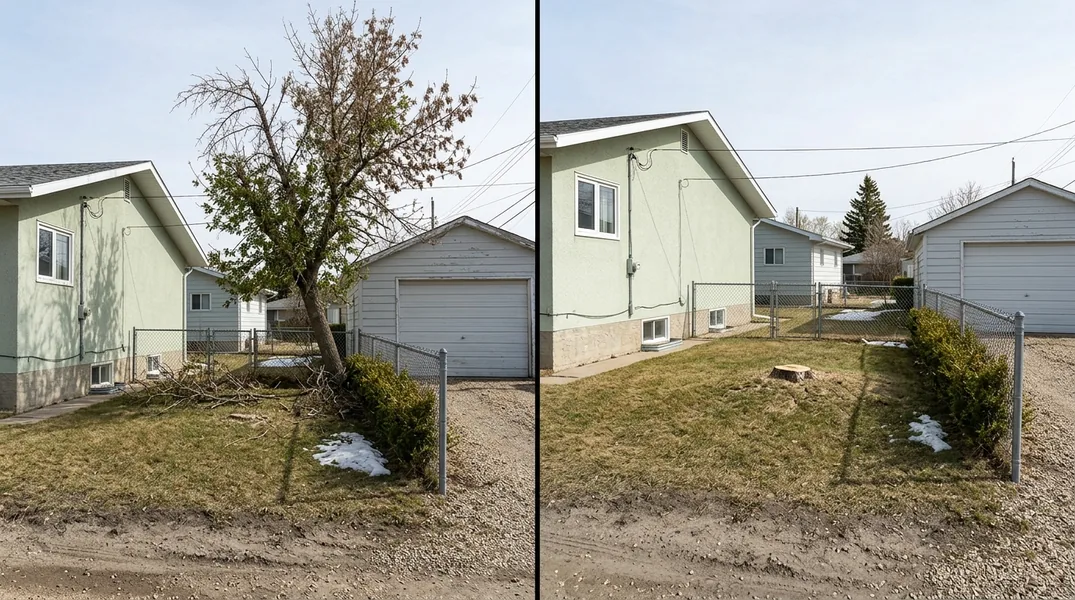
The removal process must follow strict protocols. All infected bark must be stripped and destroyed before the wood is chipped or transported. The stump should be ground below grade to prevent regrowth and beetle emergence. Queen City Tree Trimming has the equipment and expertise to handle elm removal safely and legally, with proper documentation for your insurer and compliance with all municipal requirements. If you need 24/7 emergency tree removal because a diseased elm has failed or poses immediate danger, we are available around the clock. For a free estimate and professional advice on whether your elm should be saved or removed, call (639) 739-5703 or visit our website to request a quote.
Looking for a professional in Regina? Queen City Tree Trimming responds quickly for all your tree trimming needs.
Get a free estimateOur services : Tree Removal · Tree Trimming · Tree Pruning